


Preparing Your Home for an EV
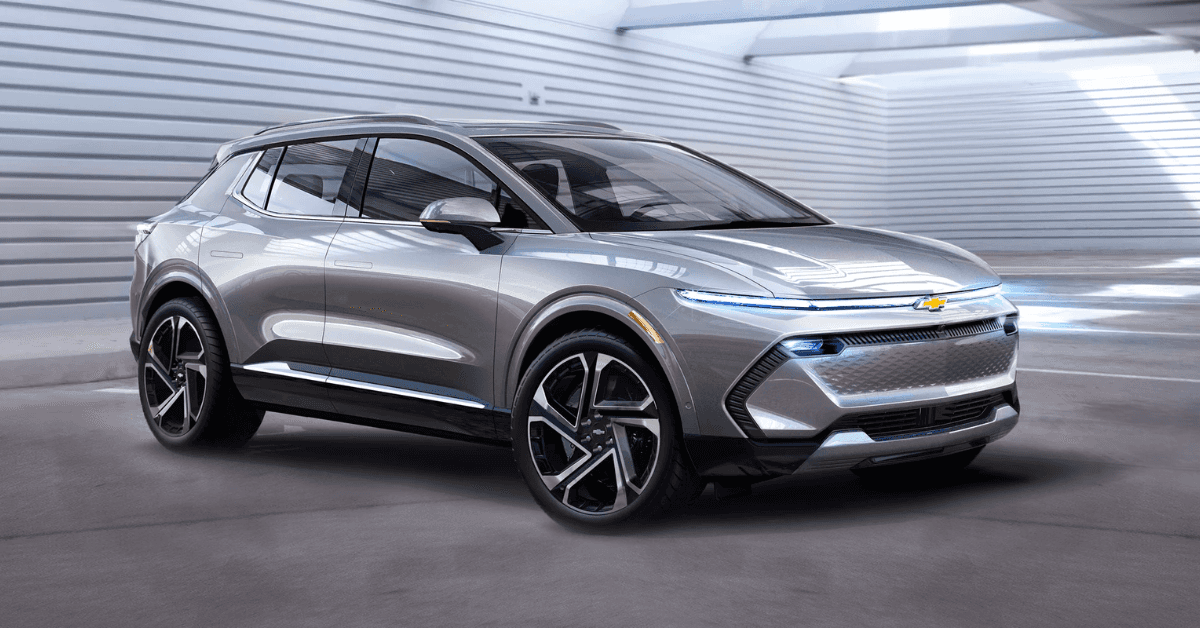
Switching from a gas to electric vehicle may seem daunting, but with a little preparation, the transition can be simple. Not only do electric vehicles make driving more sustainable, but they also save you time and money at the gas pump. Most electric vehicles are also eligible for a federal tax credit for extra savings. They’re also more pleasant to drive—driving more quietly and delivering torque immediately. Maintenance is also easier, less frequent, and cheaper. When considering switching to an EV, it’s important to consider how to prepare for charging an EV at home.
Transitioning to an Electric Vehicle
Becoming an electric vehicle owner is easier than ever. There are a few things you’ll want to do to make the transition even easier. The main thing you’ll have to do is get a home charger so you can conveniently charge your vehicle at home. You’ll want to install an SAE J1772, also known as a Level 2 Charger, because your vehicle charging capacity will be around 12–60 miles of range per hour. That’s enough to add 200-plus miles of range overnight. Without it, you’ll only be able to add roughly four miles of range for every hour on the socket.
Installing an EV Charger at Home
The best thing to do is find a certified electrician to install your EV charger. If the charger shares a circuit with other appliances, home charging will be slowed down, making it difficult to properly charge your electric vehicle. You may also want to consider the placement of the charger in relation to how your vehicle will be parked. You’ll want the charger close enough to reach your vehicle while still giving it its own circuit if possible.
Insulating Your Garage for Climate Control
It may also be a good idea to consider insulating your garage for climate control. Electric vehicle batteries do not handle fluctuating weather conditions very well. Although storing your EV in a garage will help with that, garage insulation may be needed if you live in a climate that fluctuates between extreme temperature or conditions.
Choosing a Charging Station
While you’ll probably mostly recharge your EV at home, you might need to stop at a public charging station out on the road. All electric vehicles sold in the United States can use the SAE J1772 Level 2 charger, but Level 3 charging — also called DC fast charging—is also available. Downloading the networking charging apps, like PlugShare, now will save you the hassle later.
Transitioning to an electric vehicle may seem daunting, but if you are prepared, you will be an EV expert in no time!
Visit Gordon Chevrolet to Learn More About EVs
With the Bolt EV and Bolt EUV charging ahead in the EV market and the debut of all-electric Blazer, Equinox, and Silverado models, the future of Chevrolet is electric. At Gordon Chevrolet, we are excited to help customers that are interested in making the transition to an electric vehicle. Visit our dealership today to learn more about how to prepare you home for an EV and more!
0 comment(s) so far on Preparing Your Home for an EV