


Fixing Water Damage in Your Car: How to Get Your Chevy Back in Action
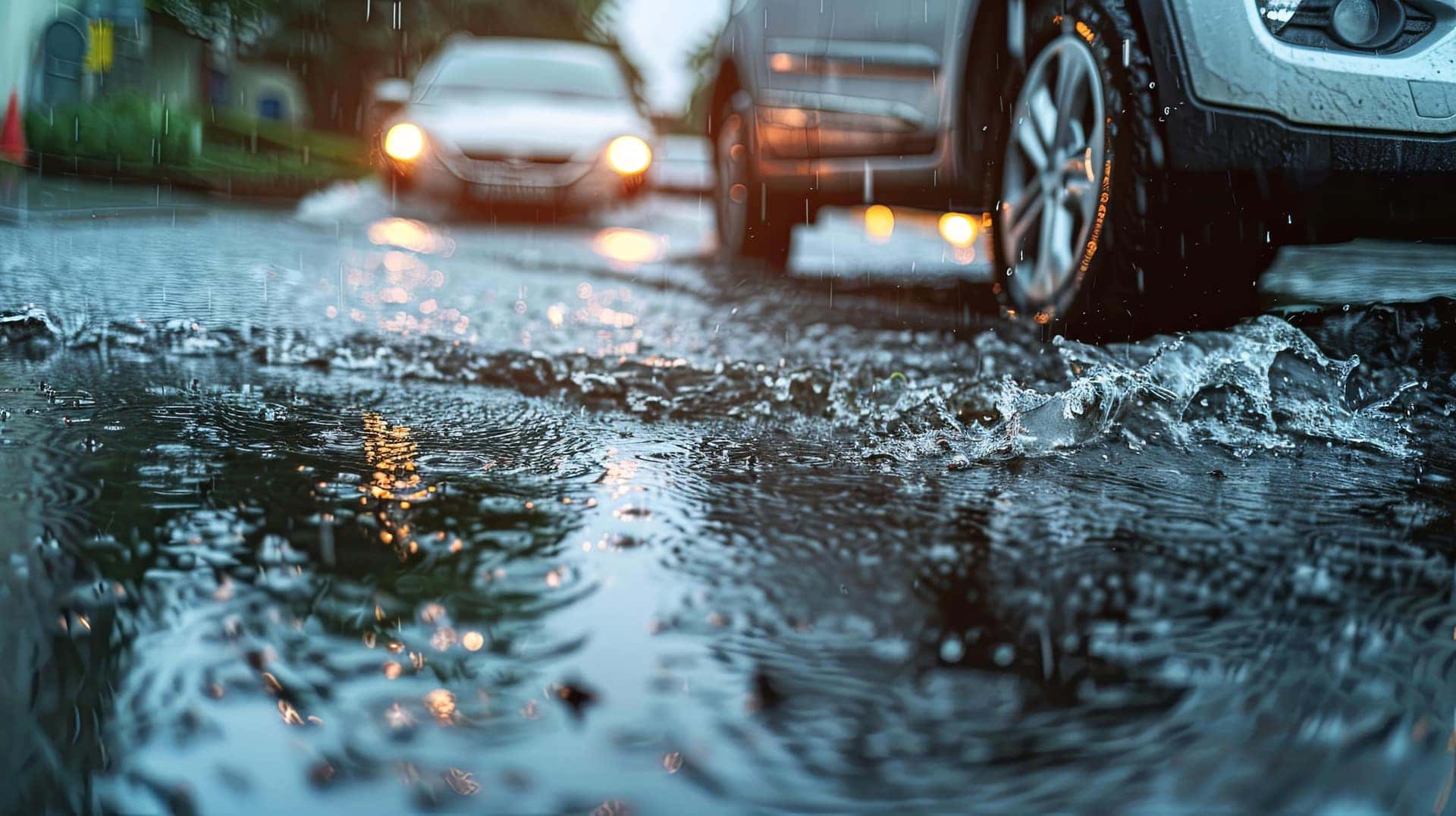 Water damage can pose significant challenges for car owners, especially in areas prone to heavy rainfall and flooding like Jacksonville. Whether your Chevy is a rugged Silverado, a spacious Suburban, a versatile Colorado, a compact Trailblazer, or a city-friendly Trax, understanding how to address water damage is crucial to getting your vehicle back on the road safely and efficiently.
In this guide, we’ll walk you through the essential steps for assessing and fixing water damage, ensuring that your Chevy not only looks great but also runs smoothly. From the initial assessment to drying out your vehicle and checking vital systems, we’ll provide you with the knowledge you need to tackle this issue head-on.
If you find yourself in need of professional assistance, we invite you to visit or contact Gordon Chevrolet. Our dedicated team is here to help you navigate the complexities of Chevy service in Florida, especially when it comes to tackling water damage and ensuring your vehicle receives the best care possible. Let’s dive into how you can restore your Chevy and keep it in top condition, even after facing the challenges of water exposure.
Assessing the Damage
Before embarking on the process of fixing water damage in your Chevy, it’s crucial to conduct a thorough assessment of the vehicle. Identifying the extent of the damage will guide your repair efforts and help determine whether you can handle the repairs yourself or if you need to visit a professional Chevy body shop.
Visual Inspection
Start by examining the interior and exterior of your vehicle for visible signs of Chevy water damage. Look for:
Discoloration and Stains: Check the upholstery, carpets, and headliner for any signs of discoloration or water stains. This is especially important in models like the Silverado and Suburban, where larger cabins may retain water longer.
Rust and Corrosion: Inspect the exterior panels, especially around door frames and under the vehicle, for any signs of rust that may indicate prolonged exposure to water. If you notice rust forming, it’s essential to address it immediately to prevent further damage.
Mold and Mildew: Smelling musty odors inside your Colorado, Trailblazer, or Trax? These odors can signal mold growth, which can pose health risks and requires thorough cleaning.
Functional Testing
Once you’ve completed a visual inspection, it’s time to conduct a functional test to ensure that all systems in your vehicle are working properly. Pay close attention to:
Lights and Electronics: Turn on the headlights, taillights, and dashboard indicators. Test other electronic features, such as the radio, air conditioning, and power windows. Water damage can impact these components, and early detection is key to avoiding costly Chevy auto body repair later on.
Wipers and Washers: Check your windshield wipers and washer fluid systems. These are essential for visibility, especially in rainy conditions. Ensure they function properly, as any malfunction could worsen your visibility during a storm.
Seeking Professional Help
If your assessment reveals significant damage or if you’re unsure about the condition of your vehicle, it’s wise to consult a local Jacksonville Chevy repair shop. A certified technician can provide a comprehensive evaluation and recommend the best course of action. Particularly after events like heavy rains or hurricane water damage, it’s critical to get professional input to avoid long-term complications.
Step-by-Step Guide to Fixing Water Damage
When dealing with Chevy water damage, it’s vital to act quickly and methodically to restore your vehicle, whether it’s Silverado, Suburban, Colorado, Trailblazer, or Trax. Follow this step-by-step guide to effectively tackle the water damage and ensure your Chevy gets back in action.
1. Do Not Start the Engine
The first and most crucial step is to avoid starting the engine if you suspect water damage. Starting a wet engine can lead to severe mechanical issues and further damage your vehicle. Instead, take immediate action to remove moisture and assess the situation.
2. Remove Water and Moisture
To begin the repair process, you’ll need to remove any standing water from inside your vehicle. Here’s how to do it:
Siphon Water: Use a siphon or wet/dry vacuum to extract as much water as possible from the carpets and upholstery. Focus on areas where water is pooled.
Wipe Down Surfaces: Use towels to wipe down surfaces and absorb any remaining moisture. Pay special attention to the dashboard, console, and door panels.
3. Drying Out the Vehicle
After removing visible water, it’s essential to dry out your Chevy thoroughly to prevent mold and mildew growth:
Open Windows and Doors: Allow fresh air to circulate by opening all doors and windows. This helps expedite the drying process.
Use Fans and Dehumidifiers: Position fans inside the vehicle to increase air circulation. If available, use dehumidifiers to extract moisture from the air, especially in humid environments like Jacksonville.
Remove Interior Components: If necessary, remove seats and carpets for a more thorough drying process. This can be particularly helpful for models like the Suburban, which may have more extensive carpet areas.
4. Check and Replace Fluids
Once the vehicle is dried out, inspect all essential fluids to ensure they are not contaminated:
Engine Oil and Transmission Fluid: Check for signs of water contamination. If the fluids appear milky or discolored, it’s crucial to change them immediately.
Brake Fluid and Coolant: These fluids are vital for safety. Any signs of contamination should prompt you to replace them.
5. Electrical System Assessment
Water can severely impact your vehicle’s electrical components. Conduct a thorough inspection of all electrical systems:
Inspect Wiring and Connectors: Look for corrosion, fraying, or other signs of damage in the wiring harnesses. Pay attention to areas like the fuse box and under the dashboard.
Test All Electrical Features: Ensure that all electronics, such as lights, wipers, and infotainment systems, are functioning correctly. If you encounter any issues, it may be time to seek assistance from a qualified Chevy body shop.
6. Dealing with Mold and Mildew
If you notice any mold or mildew growth during your assessment, it’s essential to take action:
Clean Affected Areas: Use a mixture of vinegar and water to clean surfaces affected by mold. For upholstery and carpets, consider using a steam cleaner or professional-grade cleaner to eliminate spores.
Consider Professional Help: If the mold problem is extensive, consulting a Jacksonville Chevy repair specialist for professional cleaning and remediation might be necessary.
7. When to Seek Professional Assistance
If the damage appears extensive or if you’re unsure how to proceed, it’s always best to consult professionals. A trusted Chevy service in Florida can provide the expertise needed to handle more complicated repairs. Whether it’s for chevy auto body repair or addressing chevrolet water damage after severe weather conditions like hurricane water damage, expert help can ensure that your vehicle is returned to optimal condition.
Preventing Future Water Damage
Preventing water damage in your Chevy is crucial, especially in areas like Jacksonville, where heavy rains and flooding can lead to significant issues. Whether you own Silverado, Suburban, Colorado, Trailblazer, or Trax, implementing preventative measures can save you time and money in the long run.
1. Regular Inspections
Routine inspections of your vehicle can help identify potential issues before they escalate into severe water damage:
Check Seals and Weatherstripping: Regularly inspect the door and window seals for wear and tear. Ensure that weatherstripping is intact to prevent water from seeping into the cabin during heavy rains or storms.
Look for Rust and Corrosion: Inspect the undercarriage and wheel wells for signs of rust or corrosion. Address any issues immediately to maintain the integrity of your vehicle and prevent leaks.
2. Avoiding Flooded Areas
When driving, especially during heavy rains or after a storm, be mindful of flooded roads and low-lying areas. Here are some tips:
Stay Informed: Pay attention to weather reports and local advisories to avoid areas prone to flooding. Knowing the forecast can help you plan your routes more effectively.
Plan Your Route: If you know of areas that are likely to flood, try to plan your driving route accordingly. Avoiding these areas can significantly reduce the risk of chevy water damage.
3. Proper Parking Habits
Where you park can have a significant impact on your vehicle’s exposure to water damage:
Choose Elevated Areas: Whenever possible, park in elevated or dry areas, especially during stormy weather. This simple habit can help protect your Chevy from potential flooding.
Use Covered Parking: If you have access to a garage or covered parking space, utilize it to shield your vehicle from rain and moisture.
4. Install Floor Mats
Using high-quality floor mats can provide an additional layer of protection against water intrusion:
Invest in Waterproof Mats: Consider investing in waterproof floor mats that can help contain spills and moisture. These mats can be easily removed and cleaned, keeping your vehicle’s interior dry and protected from potential water damage.
5. Routine Maintenance
Regular maintenance plays a critical role in preventing water damage:
Schedule Regular Check-ups: Regularly visit your Jacksonville Chevy repair center for routine inspections and maintenance. A qualified technician can help identify potential vulnerabilities in your vehicle, ensuring that everything functions properly.
Fluid Checks: Regularly check and replace essential fluids, including oil and coolant, to ensure that they are free from contaminants and functioning correctly.
6. Protecting Your Vehicle Post-Storm
After severe weather events, take immediate action to protect your Chevy:
Drying Out: If you notice any water inside your vehicle after a storm, act quickly to dry it out. Remove any standing water and use fans or dehumidifiers to eliminate moisture.
Watch for Warning Signs: Be vigilant for any signs of mold or mildew after exposure to water. If detected, address the issue promptly to prevent further damage and potential health risks.
7. Professional Assistance
If your vehicle has experienced significant water exposure or if you want peace of mind regarding its condition, don’t hesitate to contact your local Chevy body shop. Professionals can offer expert chevy auto body repair services and guidance to help maintain your vehicle’s integrity. They can also assist with any necessary repairs related to chevrolet water damage or hurricane water damage, ensuring your Chevy remains in excellent condition.
Dealing with Insurance and Repairs
When faced with chevy water damage, navigating the insurance process and managing repairs can be daunting. Whether your vehicle is Silverado, Suburban, Colorado, Trailblazer, or Trax, understanding how to deal with insurance claims and finding the right repair service is essential to getting your Chevy back on the road swiftly.
1. Understanding Your Insurance Coverage
Before addressing the repair process, it’s crucial to understand your insurance coverage related to water damage:
Check Your Policy: Review your auto insurance policy to determine what types of water damage are covered. Most comprehensive policies cover damages from events like flooding, which is especially relevant in areas prone to hurricane water damage.
Contact Your Insurance Agent: If you’re uncertain about your coverage, reach out to your insurance agent for clarification. They can explain the specifics of your policy and any deductibles you may need to meet before coverage kicks in.
2. Documenting the Damage
Thorough documentation is vital for a smooth claims process:
Take Photos: Capture clear, detailed photos of the water damage both inside and outside your Chevy. Ensure you document any affected areas, such as the seats, dashboard, and flooring.
Keep Records: Maintain a record of all related documents, including receipts for any immediate repairs or services needed to mitigate further damage.
3. Filing a Claim
Once you’ve documented the damage, it’s time to file a claim:
Contact Your Insurer: Reach out to your insurance company to report the water damage. Provide them with the documentation you’ve gathered, and be prepared to answer any questions they may have.
Follow Up: After filing the claim, follow up with your insurance adjuster to ensure they have everything they need to process your claim efficiently.
4. Choosing the Right Repair Shop
Selecting the right repair facility is crucial for restoring your Chevy:
Look for a Certified Chevy Body Shop: Opt for a chevy body shop that is certified to handle your specific model. Facilities experienced in chevy auto body repair are equipped with the necessary tools and expertise to address water damage effectively.
Local Jacksonville Chevy Repair: Consider local options like Jacksonville Chevy repair specialists who understand the unique challenges posed by the Florida climate and are familiar with local insurance processes.
5. Repair Process
Once your claim is approved and you’ve chosen a repair shop, the repair process can begin:
Inspection and Assessment: The repair shop will conduct a thorough inspection of the vehicle to assess the extent of the damage. This assessment will guide the necessary repairs.
Authorize Repairs: After reviewing the repair estimate provided by the shop, authorize the necessary work to restore your vehicle. Keep in communication with the repair facility to stay informed about progress and any changes to the initial estimate.
6. Post-Repair Inspection
After the repairs are complete, it’s essential to ensure that everything is in order:
Inspect the Work: Before taking your Chevy home, inspect the repairs. Ensure that all affected areas, including interior components, have been thoroughly cleaned and restored to their original condition.
Test Drive: Take your vehicle for a test drive to ensure that all systems are functioning correctly. Pay attention to any unusual noises or warning lights that may indicate unresolved issues.
7. Follow-Up and Maintenance
After dealing with repairs and insurance claims, follow up to ensure long-term protection against future issues:
Schedule Regular Maintenance: Regular maintenance is key to keeping your Chevy in top shape. Schedule periodic inspections with a trusted service provider to monitor for potential water damage risks.
Consider Upgrades: Depending on your experience with water damage, consider investing in protective measures like waterproof floor mats or additional sealing for areas prone to leaks.
Contacting Professionals for Assistance
When it comes to addressing chevy water damage, enlisting the help of professionals is essential for a thorough and effective recovery. Whether you own a robust Silverado, a family-friendly Suburban, a versatile Colorado, a compact Trailblazer, or an efficient Trax, seeking expert assistance ensures that your vehicle receives the specialized care it needs.
1. Understanding the Importance of Professional Help
Water damage can lead to a multitude of problems if not addressed correctly:
Preventing Further Damage: Professional technicians are equipped to identify and remediate issues that may not be immediately visible, such as mold growth, rust, and electrical damage. This expertise is particularly vital in the aftermath of heavy rainfall or hurricane water damage.
Comprehensive Repairs: Experts in chevy auto body repair understand the intricacies of various models and can provide repairs tailored to your vehicle’s specific needs.
2. Finding the Right Chevy Body Shop
Selecting a reputable chevy body shop is critical to ensuring your vehicle is in capable hands:
Look for Certified Technicians: Seek out body shops that are certified to work on Chevrolet vehicles. Certified technicians have the training and experience to handle repairs specific to chevrolet water damage.
Local Jacksonville Chevy Repair: Focus on local options like Jacksonville Chevy repair centers, which are familiar with common issues faced by vehicles in Florida’s unique climate.
3. Initial Consultation
Before proceeding with any repairs, it’s important to have an initial consultation:
Explain the Situation: Be clear about the extent of the water damage and any symptoms you’ve noticed in your vehicle. Providing detailed information will help the technicians assess the situation more effectively.
Ask Questions: Don’t hesitate to ask about their experience with similar issues, the types of repairs they offer, and the estimated timeline for getting your Chevy back in action.
4. Assessing the Damage
During your visit to the body shop, the professionals will conduct a thorough assessment of your vehicle:
Comprehensive Inspection: The technicians will inspect both the interior and exterior of your Chevy for signs of water damage. This includes checking upholstery, electronics, and mechanical components for issues that may arise from prolonged exposure to moisture.
Detailed Estimates: After the assessment, they will provide a detailed estimate of the necessary repairs and associated costs. This transparency helps you understand the financial implications of restoring your vehicle.
5. Repair Process
Once you’ve authorized the repairs, the professionals will begin work on your vehicle:
Expert Repairs: Skilled technicians will implement necessary repairs, which may include drying out components, replacing damaged parts, and ensuring that all systems are functioning correctly.
Quality Assurance: Most reputable body shops conduct a quality assurance check before returning your vehicle to ensure that all repairs meet safety and performance standards.
6. Follow-Up Support
After your vehicle has been repaired, maintain communication with the body shop:
Post-Repair Inspection: Schedule a follow-up inspection to ensure that everything is functioning as expected. This is particularly important if your vehicle has been exposed to significant hurricane water damage.
Regular Maintenance: Discuss regular maintenance options with the body shop to help prevent future water-related issues. Routine check-ups can identify vulnerabilities early, allowing you to take preventative action.
7. Insurance Coordination
Professional body shops often have experience dealing with insurance companies, which can be beneficial:
Assistance with Claims: Many chevy body shops can assist you in navigating the insurance claims process, ensuring you have the support you need to get your vehicle repaired without unnecessary delays.
Common Questions About Water Damage in Cars
How do You Protect a Car from Water Damage?
To protect a car from water damage, keep it parked in a garage or under a carport during heavy rain. Regularly check seals around doors and windows for wear, ensure that drainage systems (like gutters) are clear, and consider using waterproof covers for added protection.
Is Water Damage Fixable on an EV?
Yes, water damage on an electric vehicle (EV) can be fixable, but the complexity of repairs may vary. It is crucial to have the vehicle inspected by professionals who are experienced with EVs, as issues related to battery and electrical systems need specialized attention.
Are EVs Sealed Against Water Damage?
EVs are designed to be sealed against water damage to a certain extent. Most manufacturers test their vehicles for water resistance, but complete waterproofing is not guaranteed. It’s important for owners to avoid deep water and floods to protect their vehicles.
What Should You Do If Water Damage or a Hurricane Totaled Your Car?
If water damage or a hurricane has totaled your car, first, contact your insurance company to file a claim. Document the damage with photos and a detailed description. If your car is repairable, consider taking it to a certified chevy body shop for assessment. If it is deemed a total loss, follow your insurance company’s guidance for handling the vehicle and any compensation for the loss.
Get Expert Water Damage Repairs from Gordon Chevrolet
As you navigate the challenges of water damage in your vehicle, it’s crucial to remember that professional assistance can make a significant difference in restoring your Chevy to its optimal condition. Whether you own a Silverado, Suburban, Colorado, Trailblazer, or Trax, Gordon Chevrolet is here to help you every step of the way. Our dedicated team specializes in chevy auto body repair, ensuring that your vehicle receives the care it deserves after any water-related incident.
If you’re in Jacksonville, we invite you to explore our wide selection of vehicles, all equipped with advanced technology features designed for safety and comfort. You can also discover exciting content related to our offerings, such as 5 Advanced Technology Features in Chevy Trucks, 5 Things You Didn’t Know About Chevrolet’s Memory Seating, and The Joys of Jacksonville: 6 Fun-Filled Summer Activities for Your Family. These articles can provide you with additional insights into enhancing your driving experience with Chevrolet.
For more information on how we can assist you with fixing water damage or to learn about our services, please visit our body shop page. Our team is ready to help you get your Chevy back in action and ensure you enjoy the road ahead!
0 comment(s) so far on Fixing Water Damage in Your Car: How to Get Your Chevy Back in Action